Why families trust MTZ with scholarships applications
MTZ is a SECP-registered, ISO 9001:2015 certified Pakistani consultancy whose counsellors are British Council certified, led by a CEO with 25+ years of personal experience guiding Pakistani students abroad.

ISO 9001:2015 Certified

SECP Registered

British Council Certified Counsellors

25+ Years of CEO Experience
Spotted an error on this page? WhatsApp +92 315 155 5507. MTZ corrects verified errors within 24 hours.
quick answer
Can Pakistani students get a scholarship to study in Switzerland?
Yes. There are real Switzerland scholarships for Pakistani students, but the routes are research-level and Master’s-level, not undergraduate. The Swiss Government Excellence Scholarship funds PhD and postdoctoral researchers who already hold a Master’s, applied through the Swiss Embassy in Islamabad. For a funded Master’s, ETH Zurich, EPFL and the University of Geneva run their own excellence fellowships you apply to with your university admission.
Switzerland scholarships at a glance
Switzerland offers Pakistani applicants one federal research scholarship and three university Master’s fellowships, all funded in Swiss francs and all merit-based.
Who it suits: Master’s, PhD and postdoctoral applicants. There is no undergraduate scholarship route.
Main routes: Four: Swiss Government Excellence Scholarship; ETH Zurich ESOP; EPFL Master Excellence Fellowship; University of Geneva Excellence Master Fellowship.
Government funder: The Swiss Confederation, awarded by the Federal Commission for Scholarships for Foreign Students (FCS, also called ESKAS), administered by SBFI.
Pakistan eligibility (government route): Eligible for the research, PhD and postdoctoral tracks. The art scholarship is limited to other countries and is not open to Pakistan.
Government application channel: The Swiss Embassy in Islamabad (embassy track), with a Swiss academic supervisor’s support secured first.
University routes: Apply directly to ETH Zurich, EPFL or the University of Geneva through their own Master’s admission systems.
ETH ESOP value: CHF 12,000 per semester plus a full tuition fee waiver, for the regular Master’s duration of three or four semesters.
EPFL fellowship value: CHF 10,000 per semester, up to four semesters. You remain responsible for tuition and rent.
Geneva fellowship value: CHF 10,000 to CHF 15,000 per year, Faculty of Science Master of Science programmes.
Government benefits (categories): Monthly living stipend, housing allowance, health insurance and a half-fare public transport card. Exact stipend confirmed against the official SBFI fact sheet at build.
Language: English at Master’s and research level. Some programmes require German or French.
Government cycle: Annual. The 2027 to 2028 round opens on 20 August 2026, decisions by the end of May. The 2026 to 2027 round is closed.
Currency: All figures in Swiss francs (CHF). Rupee amounts are indicative only.
Your four routes into a funded place in Switzerland
Switzerland gives Pakistani applicants one federal research scholarship and three separate university Master’s fellowships, and the way you apply is different for each. The government route runs through the Swiss Embassy in Islamabad; the three university routes are applied to directly. Read each one before you choose.

Swiss Government Excellence Scholarship (research, PhD and postdoctoral)
The Swiss Government Excellence Scholarship is the federal route, funded by the Swiss Confederation and awarded by the Federal Commission for Scholarships for Foreign Students (FCS, also called ESKAS). It supports Pakistani applicants who already hold a Master’s degree and want to do a PhD, a 12-month research stay, or postdoctoral research at a Swiss public university, at ETH Zurich or EPFL, or at an ETH Domain research institute. A Swiss academic supervisor must agree to host and direct your research before you apply, and the dossier goes to the Swiss Embassy in Islamabad. Pakistan is eligible for the research, PhD and postdoctoral tracks; the separate art scholarship is open to other countries only.
ETH Zurich Excellence Scholarship and Opportunity Programme
The ETH Zurich Excellence Scholarship and Opportunity Programme (ESOP) is a Master’s award open to applicants of all nationalities, including Pakistanis, who are starting a Master’s at ETH Zurich. It pays CHF 12,000 per semester for living and study costs and adds a full tuition fee waiver for the regular Master’s duration of three or four semesters. About 60 ESOP scholarships are assigned for the 2027 to 2028 start. You apply through ETH Zurich’s Master’s admission portal during the first application window of 1 to 30 November and submit a self-written pre-proposal for your Master’s thesis. It is the only one of the four routes that waives tuition outright.
EPFL Master Excellence Fellowship
The EPFL Master Excellence Fellowship is a Master’s award at Ecole Polytechnique Federale de Lausanne, open to applicants from all countries. It pays CHF 10,000 per semester for up to four semesters and reserves a student-residence room for external candidates, plus a certificate of excellence on completion. Read this carefully: EPFL states that fellowship holders remain responsible for all living expenses, including tuition fees and rent, so this is a living-cost grant, not a full ride. You apply by submitting an EPFL Master’s application and ticking the box to be considered for the fellowship; external candidates need no extra documents beyond the admission file.
University of Geneva Excellence Master Fellowship
The University of Geneva Excellence Master Fellowship is run by the Faculty of Science and is open to international students from any university who are entering a Master of Science. It pays a grant of CHF 10,000 to CHF 15,000 per year with no teaching duties, awarded for one year and extended for the regular Master’s duration provided you pass your first semester. Programmes are taught in English or in English and French. This is the broadest science route for Pakistani applicants who are outside the technical focus of ETH and EPFL, covering disciplines such as biology, chemistry, computer science, mathematics, physics and earth sciences.
Who can apply, route by route
Eligibility for Switzerland scholarships turns on the level you have already reached, not your age or your family income. The government route needs a completed Master’s and a Swiss supervisor; the university routes need a strong Bachelor’s and entry to a Master’s programme.
All four routes are open to Pakistani citizens. The Swiss Government Excellence Scholarship lists Pakistan among eligible countries for the research, PhD and postdoctoral tracks, applied through the Swiss Embassy in Islamabad. ETH Zurich, EPFL and the University of Geneva place no nationality restriction on their fellowships.
The government route is for applicants who already hold a Master’s degree (for a PhD or research stay) or a PhD (for postdoctoral work). The three university routes are for applicants entering a Master’s: a completed or near-complete Bachelor’s in a relevant field. None of the four funds an undergraduate degree.
ETH ESOP expects results in roughly the top 10 percent of your Bachelor’s class, equivalent to an A grade. EPFL and Geneva expect an outstanding academic record and select on the strength of your file. The government route is judged on your candidate profile, the quality of your research project, and the potential for future research cooperation.
Master’s and research study at this level is commonly in English, and many Pakistani applicants meet the requirement through an English-medium degree rather than IELTS. Some ETH and EPFL programmes need German or French, and Geneva runs programmes in English or in English and French. Confirm the exact language proof your chosen programme accepts at the official programme page.
For the government route you secure a Swiss academic supervisor first, then submit the full dossier to the Swiss Embassy in Islamabad before the Pakistan deadline. For ETH, EPFL and Geneva there is no embassy step: you apply directly to the university and request the fellowship inside that application.
ETH Zurich and EPFL are technical universities, so their Master’s fellowships sit in science, engineering and technology. The University of Geneva fellowship is Faculty of Science only. The government research route is open in any discipline, provided a Swiss supervisor will host the project.
The Swiss Government Excellence Scholarship sets a year-of-birth cutoff that changes each cycle and is published in the country-specific fact sheet. Verify the current age limit from the official SBFI document for Pakistan before you apply; this page states no age number. ETH Zurich, EPFL and the University of Geneva publish no age limit, and the MTZ enquiry form shows no age cutoff.
The Swiss supervisor rule: why this differs from Hungary or Korea
The single thing that decides a Swiss Government Excellence Scholarship application is whether a Swiss professor has agreed to supervise you before you apply. Unlike Hungary’s Stipendium Hungaricum or the Korean GKS, there is no central nomination or two-portal system; the government route stands or falls on a confirmed supervisor.
What this means in practice:
Step one, the supervisor
You contact a professor at a Swiss university, ETH Zurich, EPFL or an ETH Domain institute, send a short research proposal and your CV, and ask them to support and direct the project. The application is only competitive once that professor agrees in writing.
Step two, the embassy dossier
With the supervisor’s support letter in hand, you assemble the full dossier and submit it to the Swiss Embassy in Islamabad before the Pakistan deadline. The Federal Commission then assesses your profile, your research project, and the cooperation potential, and announces decisions by the end of May.
This is why MTZ tells Pakistani researchers to start 12 to 15 months early. Finding the right Swiss supervisor and agreeing a research project is slow, and a late start is the most common reason strong candidates miss the cycle. The university Master’s routes do not need a supervisor in advance; that requirement is unique to the government research route.
The documents you submit
The document set differs by route, and the government route asks for the most. This block lists only what each official source confirms you submit; it does not repeat who can apply, which is covered in Eligibility above.
Swiss Government Excellence Scholarship (research, PhD, postdoctoral):
⚫ Valid passport copy
⚫ Curriculum vitae
⚫ Academic transcripts and degree certificates (Master’s, and PhD for postdoctoral applicants)
⚫ A research proposal for the work you plan in Switzerland
⚫ A written acceptance or support letter from your Swiss academic supervisor
⚫ Letters of reference
⚫ A medical certificate
ETH Zurich ESOP:
⚫ The full ETH Zurich Master’s admission file for your chosen programme
⚫ A self-written pre-proposal for your Master’s thesis, following ETH’s guidelines and proper citation
⚫ Two academic referees, named in the application, who upload reference letters
EPFL Master Excellence Fellowship:
⚫ The standard EPFL Master’s admission file, with the fellowship box ticked
⚫ A curriculum vitae and copies of your university degree or degrees where already available
⚫ External candidates need no extra documents beyond the admission file
University of Geneva Excellence Master Fellowship:
⚫ The University of Geneva Master of Science enrolment file
⚫ The Excellence Fellowship application form, sent to you by personal link after you register
⚫ A passport or national identity document copy and a curriculum vitae of up to two pages
Some programmes ask for extra items, for example a research proposal for certain PhD routes or a GRE or GMAT score for some College of Science and Engineering PhD programmes. Check your programme page before you apply.
What each Switzerland scholarship actually covers
No Switzerland scholarship on this page covers everything, and only one waives tuition. Read what is covered and what you still pay before you commit, because living costs in Switzerland are among the highest in the world.
Swiss Government Excellence Scholarship (research, PhD, postdoctoral)
covered:
⚫ A monthly living stipend
⚫ A housing allowance
⚫ Health insurance
⚫ A half-fare card for Swiss public transport
Not covered or to confirm:
⚫ The exact monthly stipend is reconfirmed against the official SBFI fact sheet at build, because published figures differ by cycle
⚫ Your international airfare and visa costs, unless the current fact sheet states otherwise
⚫ Family or dependant costs
ETH Zurich ESOP
covered:
⚫ CHF 12,000 per semester for living and study costs
⚫ A full tuition fee waiver for the regular Master’s duration of three or four semesters
Not covered or to confirm:
⚫ Costs beyond the stipend and the waiver, which you manage yourself
EPFL Master Excellence Fellowship
covered:
⚫ CHF 10,000 per semester for up to four semesters
⚫ A reserved student-residence room for external candidates
⚫ A certificate of excellence on completion
Not covered or to confirm:
⚫ Tuition fees and rent. EPFL states that fellowship holders remain responsible for all living expenses, including tuition and rent, so this is a living-cost grant, not a full ride
University of Geneva Excellence Master Fellowship
covered:
⚫ CHF 10,000 to CHF 15,000 per year, with no teaching duties, for the regular Master’s duration, subject to passing your first semester
Not covered or to confirm:
⚫ Geneva’s tuition is low, but tuition, rent and living costs beyond the grant are yours to manage
All figures here are in Swiss francs. Any rupee equivalent is indicative only and moves with the exchange rate. For a current PKR breakdown of stipend, tuition and living costs before you make any payment decision, WhatsApp MTZ Islamabad on +92 315 155 5507 or Lahore on +92 328 900 2222.
How to apply from Pakistan, step by step
Applying from Pakistan follows two different paths: the embassy path for the government route, and the direct-to-university path for ETH, EPFL and Geneva. The steps below cover the process; the documents for each step are in the Documents block above.
step-1 →
Decide your level and route. If you already hold a Master’s and want a PhD or research stay, the Swiss Government Excellence Scholarship is your route. If you are entering a Master’s, choose between ETH Zurich, EPFL and the University of Geneva by field and language. MTZ helps you match your profile to the right route in a free assessment.
step-2 →
For the government route, secure a Swiss supervisor. Contact a professor at a Swiss university, ETH Zurich, EPFL or an ETH Domain institute, share your proposal and CV, and obtain their written agreement to host your research. This step does not apply to the three university Master’s routes.
step-3 →
Build your application. Assemble the file for your route from the Documents block. For the government route this is the embassy dossier with the supervisor’s letter; for the universities it is the Master’s admission file with the fellowship requested inside it.
step-4 →
Submit through the correct channel. Government route applications go to the Swiss Embassy in Islamabad before the Pakistan deadline. ETH applications go through the ETH Master’s portal in the 1 to 30 November window. EPFL applications go through the EPFL Master’s portal with the fellowship box ticked. Geneva applications go through the Faculty of Science enrolment and fellowship form.
step-5
Track decisions. The Federal Commission announces government scholarship decisions by the end of May. ETH communicates ESOP decisions by the end of March. EPFL and Geneva confirm fellowship outcomes alongside their Master’s admission cycles.
Dates follow an annual pattern. The Swiss Government Excellence Scholarship 2027 to 2028 round opens on 20 August 2026, with the Pakistan deadline and full conditions published from August 2026; the 2026 to 2027 round is closed. ETH’s window is 1 to 30 November each year. EPFL decides the fellowship in its first Master’s admission round, around December. Geneva opens around January with a deadline near the end of February for the September intake. These windows shift year to year, so MTZ confirms the live dates for your cycle before you apply.
How MTZ helps you apply
MTZ does not award or influence any Swiss scholarship; the funders decide. What MTZ does is make your own application stronger and your timing right, so you reach the funder’s desk as a complete, competitive candidate.
MTZ reviews your degree level, grades, field and language proof, then tells you honestly which of the four routes fits and which do not. If none currently fits, MTZ says so rather than pushing a weak application. Start with the Free Scholarship Profile Assessment at https://mtzvisas.com/scholarship-eligibility/.
For Master’s applicants, MTZ helps you weigh ETH Zurich, EPFL and the University of Geneva by field, language and the funding each offers, since only ETH waives tuition. For research applicants, MTZ confirms the government route is the right one before you invest months in a proposal.
For the government route, MTZ helps you shape a research proposal and a shortlist of Swiss supervisors to approach, because the supervisor’s written agreement is what makes the application competitive. MTZ does not contact professors on your behalf or promise a supervisor; that contact is yours to make.
MTZ helps you assemble the correct file for your route, check it against the official requirements, and avoid the common gaps that delay an application, working from the verified Documents list, not guesswork.
MTZ confirms the live deadline for your cycle, the correct channel (the Swiss Embassy in Islamabad for the government route, the university portals for the others), and helps you submit early enough to absorb delays. MTZ guides the student visa step once an admission or award is confirmed.
Start with the free scholarship eligibility assessment:
The honest limits you should know first
Switzerland is one of the harder countries to fund, and being honest about that saves you months. Read these limits before you build any application.
Read these limits before you apply.
No undergraduate route. None of these four scholarships funds a Bachelor’s degree. EPFL runs a separate Bachelor fellowship, but EPFL Bachelor teaching is in French, which rules it out for most Pakistani school-leavers. If you are a school-leaver, Switzerland is not your funded route yet.
The government route is research-only. The Swiss Government Excellence Scholarship needs a completed Master’s and a Swiss supervisor. It is not a taught-Master’s or undergraduate scholarship, whatever some listing sites suggest.
Only ETH waives tuition. The EPFL and Geneva fellowships are living-cost grants; you still pay tuition and rent. EPFL states this plainly. Treat the grant as help with costs, not a full ride.
Living costs are very high. Zurich, Lausanne and Geneva are among the most expensive cities in the world. A partial grant may not stretch as far as it would elsewhere, so budget conservatively.
These awards are highly competitive. Each route takes a small number of outstanding candidates. A strong file matters, and even a strong file can miss.
MTZ does not award or guarantee any scholarship. Selection rests entirely with the Swiss Confederation, ETH Zurich, EPFL or the University of Geneva. MTZ improves your application and your timing; it cannot influence the outcome.
If a funded Master’s is your real goal and Switzerland looks too narrow or too costly, two alternatives often fit Pakistani applicants better: the Erasmus Mundus scholarships for Pakistani students at https://mtzvisas.com/global-scholarships/europe-scholarships-pakistan/ and the DAAD scholarship Pakistan route at https://mtzvisas.com/global-scholarships/germany-scholarships-pakistan/.
Compare the four Switzerland routes
The four routes split cleanly by level, channel and how much they cover. Use this to decide which one matches where you are now.
| Route | Level | Apply through | What it covers | Tuition | Window |
|---|---|---|---|---|---|
| Swiss Government Excellence Scholarship | PhD, research, postdoctoral (Master’s held) | Swiss Embassy Islamabad, after a Swiss supervisor | Stipend, housing allowance, health insurance, half-fare card | Research-level, not tuition-based | Opens 20 Aug 2026 for 2027 to 2028 |
| ETH Zurich ESOP | Master’s | ETH Master’s portal, directly | CHF 12,000 per semester plus a full tuition waiver | Waived in full | 1 to 30 November |
| EPFL Master Excellence Fellowship | Master’s | EPFL Master’s portal, fellowship box ticked | CHF 10,000 per semester, up to 4 semesters, residence room | You still pay tuition and rent | First Master’s round, around December |
| University of Geneva Fellowship | Master of Science (Faculty of Science) | Geneva enrolment and fellowship form | CHF 10,000 to CHF 15,000 per year, no teaching duties | You pay tuition and living costs beyond grant | Opens January, deadline near end February |
For a fully funded Master’s that covers tuition and living costs together, compare these Swiss routes against the Chevening scholarship Pakistan route at https://mtzvisas.com/global-scholarships/uk-scholarships-pakistan/.
Switzerland scholarship questions Pakistani families ask
These are the questions Pakistani applicants and their families ask most about funding study in Switzerland, answered straight. Each answer leads with the direct point.
Yes, but the routes are research-level and Master’s-level, not undergraduate. Pakistani students can apply for the Swiss Government Excellence Scholarship at PhD and postdoctoral level, and for Master’s fellowships at ETH Zurich, EPFL and the University of Geneva. There is no Swiss scholarship that funds a Bachelor’s degree for Pakistani students.
Yes. Pakistan is eligible for the research, PhD and postdoctoral tracks of the Swiss Government Excellence Scholarship, applied through the Swiss Embassy in Islamabad. The separate art scholarship is limited to other countries and is not open to Pakistan.
No. The Swiss Government Excellence Scholarship is for applicants who already hold a Master’s and want a PhD, a research stay or postdoctoral work. For a funded Master’s, your route is a university fellowship at ETH Zurich, EPFL or the University of Geneva, not the government scheme.
No realistic one. None of the four main routes funds a Bachelor’s. EPFL runs a Bachelor fellowship, but EPFL Bachelor teaching is in French, which rules it out for most Pakistani school-leavers. If you are a school-leaver, Switzerland is not your funded route yet.
Not always. Master’s and research study at this level is commonly in English, and many Pakistani applicants meet the requirement through an English-medium degree rather than IELTS. Some ETH and EPFL programmes need German or French. Confirm the exact language proof your chosen programme accepts on its official page.
You apply through the Swiss Embassy in Islamabad. First you secure a Swiss academic supervisor who agrees in writing to host your research, then you submit the full dossier to the embassy before the Pakistan deadline. The Federal Commission assesses applications and announces decisions by the end of May.
Yes, for the government route. The Swiss Government Excellence Scholarship is only competitive once a Swiss professor has agreed to direct your research. The ETH, EPFL and Geneva Master’s fellowships do not need a supervisor in advance; you apply to the programme directly.
ETH Zurich, EPFL and the University of Geneva each run their own Master’s excellence fellowship. ETH Zurich’s ESOP is the most complete, paying CHF 12,000 per semester plus a full tuition fee waiver. EPFL and Geneva pay living-cost grants while you still cover tuition and rent.
ETH Zurich’s ESOP pays CHF 12,000 per semester for living and study costs and adds a full tuition fee waiver for the regular Master’s duration of three or four semesters. It is open to applicants of all nationalities and is awarded to about 60 students for the 2027 to 2028 start. You apply in the 1 to 30 November window.
No. EPFL states that fellowship holders remain responsible for all living expenses, including tuition fees and rent. The EPFL Master Excellence Fellowship pays CHF 10,000 per semester for up to four semesters and reserves a residence room for external candidates, but it is a living-cost grant, not a full ride.
For the government route, yes, but it changes each cycle. The Swiss Government Excellence Scholarship publishes a year-of-birth cutoff in its country fact sheet for Pakistan, so verify the current limit from the official SBFI document before applying. ETH Zurich, EPFL and the University of Geneva publish no age limit.
The dates follow an annual pattern. The Swiss Government Excellence Scholarship 2027 to 2028 round opens on 20 August 2026, with the Pakistan deadline published from August 2026. ETH applies from 1 to 30 November, EPFL decides in its first Master’s round around December, and Geneva opens around January. MTZ confirms the live dates for your cycle before you apply.
Some are, some are partial. ETH Zurich’s ESOP and the government research stipend come closest to full funding. The EPFL and Geneva fellowships are partial, covering living costs while you pay tuition and rent. Switzerland’s living costs are among the highest in the world, so budget conservatively even with a grant.
No. MTZ does not award, influence or guarantee any Swiss scholarship; selection rests entirely with the Swiss Confederation, ETH Zurich, EPFL or the University of Geneva. MTZ helps you choose the right route, build a strong application and submit on time, which is where a Pakistani applicant gains a real edge.
Start your Switzerland scholarship application with MTZ
Get an honest read on which Switzerland route fits your level and field, then build an application strong enough to compete. Begin with a free profile assessment or message an MTZ counsellor directly.
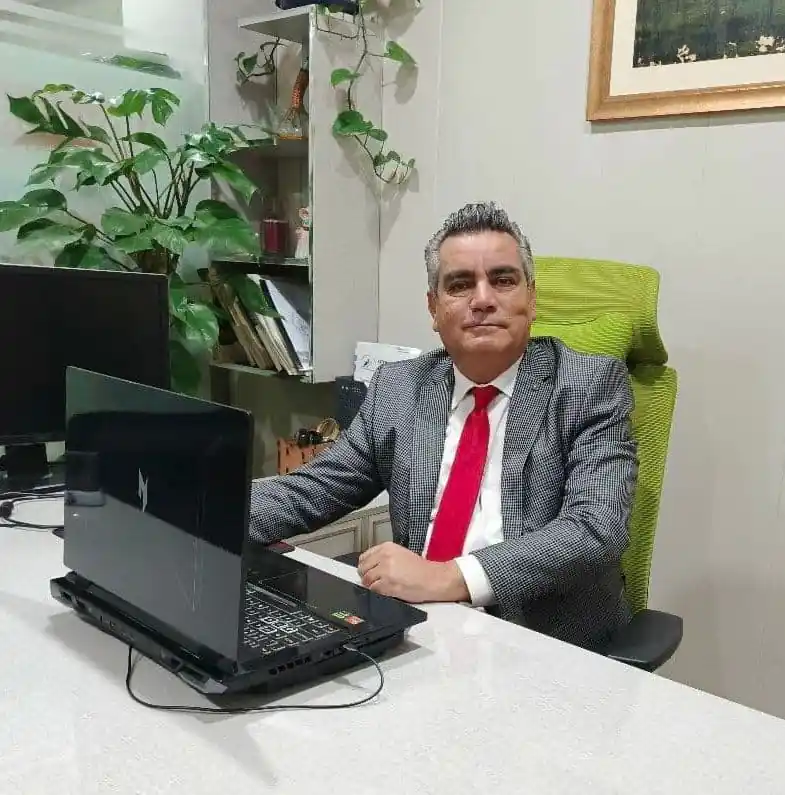
Mubbashir Qureshi, CEO, MTZ Global Visa Consultants Pvt Ltd. 25+ years personal experience guiding Pakistani students into study abroad and international education.
Last verified: 13 June 2026. Next review: August 2026, when the Swiss Government Excellence Scholarship 2027 to 2028 country list and Pakistan deadline publish on sbfi.admin.ch.